Why the Moscow Mule Became a Classic (And Why It Still Matters Today)
"Discover the captivating story behind the Moscow Mule, from its surprising origins to why this classic cocktail and its iconic copper mug continue to charm today."

Why the Moscow Mule Became a Classic (And Why It Still Matters Today)
In the vibrant tapestry of cocktail culture, few drinks hold as enduring and iconic a status as the Moscow Mule. With its crisp, spicy kick and refreshing effervescence, served in a distinctive frosty copper mug, it's a beverage that transcends trends, maintaining its allure through decades of evolving tastes. But what exactly is it about this seemingly simple concoction of vodka, ginger beer, and lime that propelled it from a solution to a marketing dilemma into a global sensation?
Beyond its delightful taste, the Moscow Mule's journey is a fascinating tale of innovation, ingenious marketing, and the serendipitous convergence of products and personalities. It’s a story that underscores how a drink can become more than just a mixture of ingredients – it can become a cultural touchstone, a symbol of sophisticated revelry, and a testament to the power of presentation. Today, as we increasingly value authenticity and unique experiences, the Moscow Mule continues to resonate, not just as a cocktail, but as a ritual.

The Unexpected Birth of a Legend: A Happy Accident in 1940s Hollywood
The origins of the Moscow Mule are as intriguing and multifaceted as the drink itself, a true testament to the saying that necessity is the mother of invention. Our story begins in the early 1940s, a time when vodka was far from the household name it is today in America. John G. Martin, a shrewd spirits distributor, had recently acquired the Smirnoff vodka brand, but faced an uphill battle introducing this unfamiliar Russian spirit to a predominantly whiskey and gin-drinking nation.
Coincidentally, around the same time, Jack Morgan, the owner of Hollywood's popular Cock 'n' Bull restaurant on Sunset Strip, found himself with a different kind of problem: an abundance of unsold ginger beer. Morgan had attempted to launch his own brand of ginger beer, but it wasn't flying off the shelves as he'd hoped. Separately, a third party, Sophie Berezinski, a Russian immigrant and owner of a copper manufacturing business, was also struggling to sell her line of pure copper mugs.
Picture the scene: a fateful encounter between Martin and Morgan at the Cock 'n' Bull in 1941. As they lamented their respective business woes – Martin's surplus of vodka and Morgan's overstock of ginger beer – an idea began to spark. Legend has it, the solution came with the addition of a squeeze of fresh lime, and perhaps even earlier conversations with Berezinski about her copper mugs. What followed was a collaborative stroke of genius: a new cocktail combining all three.
The trio – vodka, ginger beer, and lime – married perfectly, creating a refreshing, zesty, and subtly spicy drink that was an instant hit. The copper mug, with its unique thermal properties and striking appearance, became an integral part of the experience, enhancing both the taste and the visual appeal. Thus, the Moscow Mule was born, christened perhaps to allude to its Russian vodka component and the “kick” of the ginger beer. For a more detailed look at its complex history, sources like Difford's Guide on the Moscow Mule offer excellent insights.
A Masterclass in Marketing: From Hollywood to Homes
The Moscow Mule's ascent to widespread popularity wasn't just a matter of good taste; it was a pioneering example of brilliant marketing. John Martin, eager to promote Smirnoff vodka, embarked on an ingenious cross-country campaign. He traveled to bars, armed with Smirnoff, Cock 'n' Bull ginger beer, fresh limes, and, crucially, a Polaroid camera. He would demonstrate how to make the Moscow Mule, take instant photos of bartenders holding the distinctive copper mug, and leave one copy for the bartender while taking another to the next bar to show proof of the drink's burgeoning popularity.
This early form of social proof and viral marketing was revolutionary. Bartenders loved seeing their photos, and patrons were intrigued by the novel drink served in such an eye-catching vessel. The campaign successfully positioned vodka as a versatile spirit and cemented the Moscow Mule as a chic, must-try cocktail. The unique presentation in the copper mug was undeniable; it was a conversation starter, making the drink stand out on any bar top and in any home.
The mid-20th century saw the Moscow Mule become a staple, particularly in the burgeoning cocktail culture of America. Its fresh, invigorating flavor profile appealed to a wide audience, and its ease of preparation made it a favorite for both professional mixologists and home entertainers. The ritual of serving it in its dedicated copper vessel became as important as the ingredients themselves.
The Copper Connection: More Than Just Aesthetics
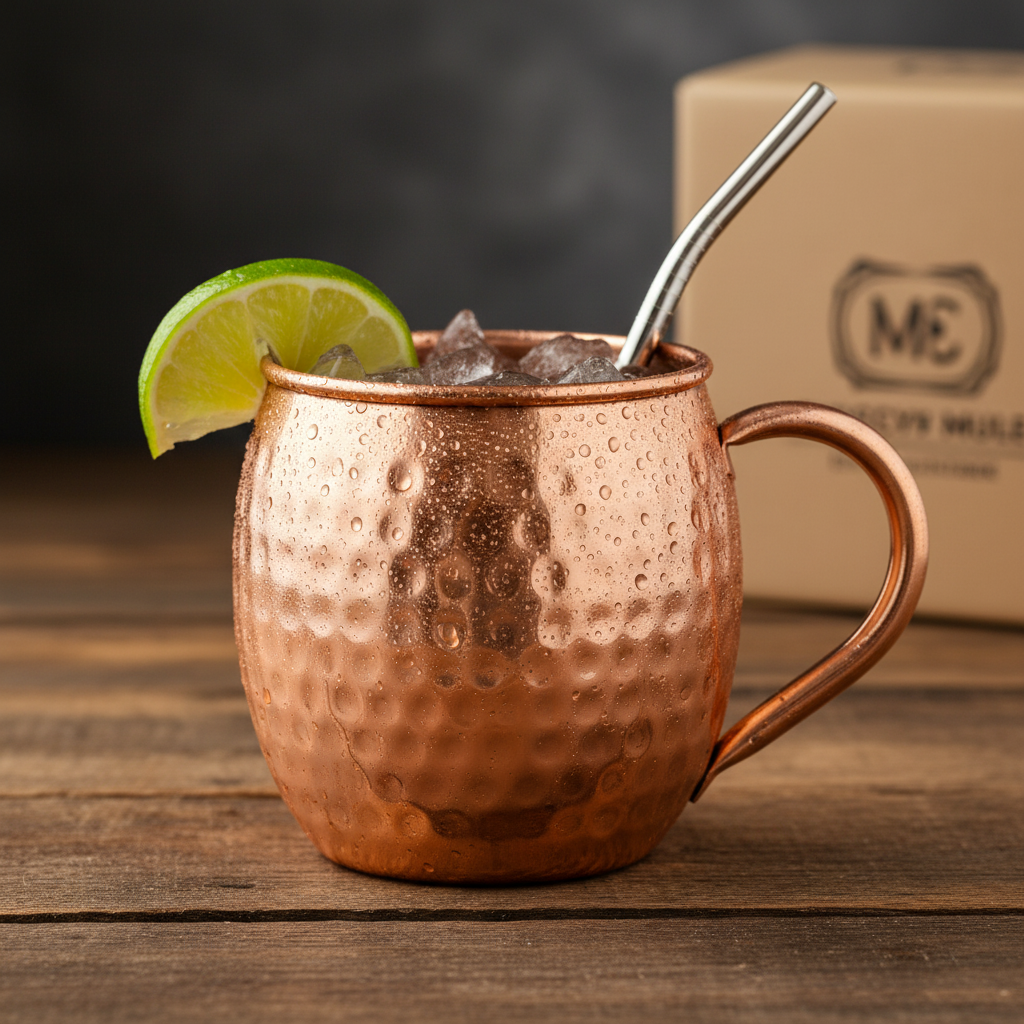
While the marketing might have been clever, the role of the Premium Pure Copper Mugs 4 PK (16oz) in the Moscow Mule's success is not merely aesthetic; it's fundamental to the drink's very essence. The copper mug is not just a stylistic choice; it enhances the sensory experience in profound ways that elevate the cocktail from good to extraordinary. Its visual appeal, with that distinctive hammered gleam and frosty exterior, immediately signals something special, something traditional yet vibrant.
The most immediate and talked-about benefit of a copper mug is its exceptional thermal conductivity. Copper rapidly takes on the temperature of its contents, chilling quickly and staying cold for an extended period. This means your Moscow Mule remains refreshingly icy from the first sip to the last, even on the warmest days. The coldness isn't just felt on the lips; it's a tactile sensation as the mug chills your hand, amplifying the crispness of the drink itself. This constant, invigorating chill is crucial for a cocktail designed to be bright and refreshing.
Beyond temperature, some enthusiasts and scientists suggest that copper subtly enhances the flavor and aroma profile of the Moscow Mule. While often debated, the theory posits that the copper metal begins to oxidize when it comes into contact with the lime juice, subtly influencing the drink's acidity and intensifying the aromas of the ginger beer and vodka. This interaction, however slight, contributes to the overall perception of a crisper, more vibrant taste, a nuanced difference that true connoisseurs appreciate.
Furthermore, the physical act of holding a weighty, cold copper mug adds a tactile dimension to the drinking experience. It feels substantial and luxurious, grounding the cocktail in a sense of ritual and permanence. This isn't just a drink; it's an experience, a moment to savor. The condensation that forms on the outside of the mug is another sensory cue, promising a perfectly chilled beverage before you even take a sip. For a deeper dive into this phenomenon, read our article Why Real Copper Makes a Moscow Mule Taste Better.
The Enduring Allure: Why It Still Matters Today
Decades after its inception, the Moscow Mule continues to charm bartenders and drinkers alike, proving its enduring relevance in an ever-changing culinary landscape. Its classic appeal lies in its perfect balance of simplicity and sophistication. It requires only three main ingredients – vodka, ginger beer, and lime – making it an accessible cocktail for anyone to prepare, yet its distinct flavor profile and iconic presentation elevate it to something truly special.
In an age where craft cocktails can be complex and intimidating, the Moscow Mule offers a refreshing antidote. It's an approachable drink that doesn't compromise on quality or experience. The clean, spicy notes of premium ginger beer, the crispness of a good vodka, and the bright acidity of fresh lime juice combine to create a symphony of flavors that is both invigorating and deeply satisfying. This straightforward elegance makes it a go-to choice for casual evenings and celebratory gatherings alike.
Versatility and Modern Entertaining
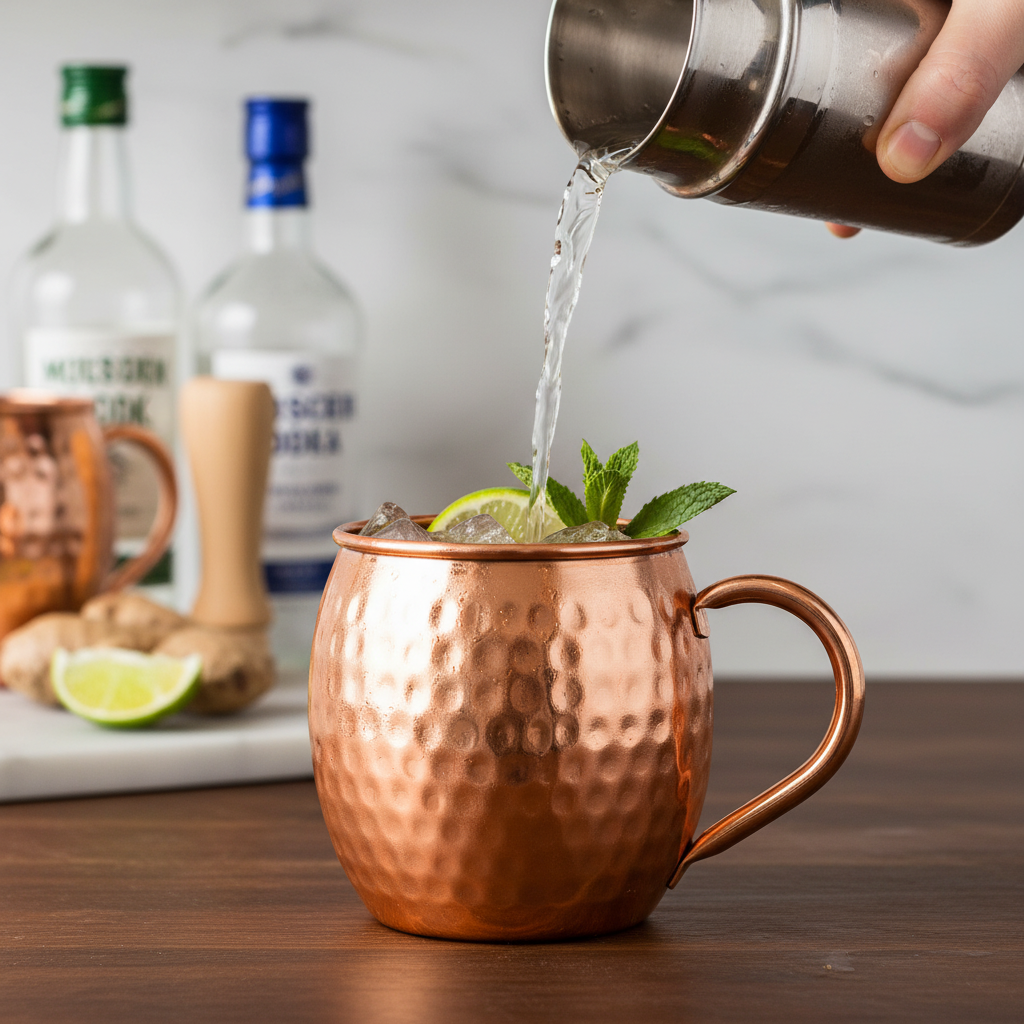
The Moscow Mule's adaptability is another key to its longevity. While the classic recipe remains untouchable for purists, its simple framework allows for endless creativity. Seasonal variations incorporating fruits like cranberries, peaches, or blackberries, or infusions with herbs like mint or rosemary, keep the drink fresh and exciting. This versatility means the Moscow Mule can be tailored to any palate or occasion, making it a perennial favorite for hosts looking to offer something both familiar and uniquely customized.
Furthermore, the Moscow Mule, served in its polished copper mug, is inherently “Instagrammable.” In our visually driven world, a beautiful cocktail is often shared as much as it is enjoyed. The striking contrast of the gleaming copper, the vibrant green of a lime wedge, and the effervescent bubbles makes for a captivating image, cementing its place in modern entertaining and lifestyle aesthetics. It’s a drink that looks as good as it tastes, adding a touch of rustic luxury to any setting.
The Enduring Ritual: Authenticity and Connection
In a world of mass production and fleeting trends, the Moscow Mule offers a connection to authenticity and tradition. Its rich history, entwined with the story of three ambitious entrepreneurs, gives it a narrative depth that many modern cocktails lack. Drinking a Moscow Mule isn't just consuming a beverage; it's participating in a legacy, an echo of Hollywood glamour and ingenious marketing from a bygone era.
The act of serving and enjoying a Moscow Mule in its proper copper mug fosters a sense of ritual. It’s a deliberate choice that elevates the moment, turning a simple drink into an experience. This dedication to tradition, coupled with its undeniable sensory benefits, is why the Moscow Mule continues to matter. It represents a commitment to quality, an appreciation for history, and a desire to savor life's simple, yet profound, pleasures.
The unique, bold flavor of ginger beer itself is a key component to the mule's lasting success. Unlike its milder cousin, ginger ale, ginger beer offers a robust, spicy kick that cuts through the sweetness and compliments the vodka beautifully. To understand more about this essential ingredient, delve into its history on sites like Serious Eats on Ginger Beer.
Caring for Your Copper Legacy
To ensure your Moscow Mule experience remains pristine for years to come, a little care for your copper mugs goes a long way. Pure copper is a beautiful and durable material, but like any fine metal, it benefits from proper maintenance. Hand washing with warm water and a soft cloth is always recommended, avoiding harsh detergents or abrasive scrubbers that could dull its lustrous finish. Regular cleaning and occasional polishing will keep your mugs gleaming, ready to serve countless refreshing cocktails.
Embracing the natural patina that develops over time can also be part of the copper mug's charm, adding character and a vintage appeal. However, if you prefer the bright, mirror-like shine, simple remedies like a mixture of lemon juice and salt can restore its original brilliance. Investing in high-quality pure copper mugs is not just about enhancing your cocktail; it's about owning a piece of enduring craftsmanship that will be a conversation starter for generations.
The Unwavering Appeal of a True Classic
From its humble, almost accidental beginnings in a Los Angeles bar to its current status as a global icon, the Moscow Mule’s journey is a testament to the power of a perfectly balanced drink and an unforgettable presentation. It’s more than just a cocktail; it’s a cultural phenomenon, a staple of modern entertaining, and a symbol of refreshing simplicity.
The enduring magic of the Moscow Mule lies in its ability to consistently deliver a crisp, cold, and invigorating experience, intrinsically tied to its distinctive copper vessel. It reminds us that sometimes, the simplest combinations, elevated by thoughtful presentation and a compelling backstory, can become truly timeless. So, raise your hammered copper mug – to history, to taste, and to a classic that truly still matters today.