Why Natural Fire Starters Work When Other Fire-Starting Methods Fail
"Discover why natural fire starters outperform paper and chemicals. Learn how moisture resistance, airflow, and burn time make them the superior choice."
Why do natural fire starters work better than paper?
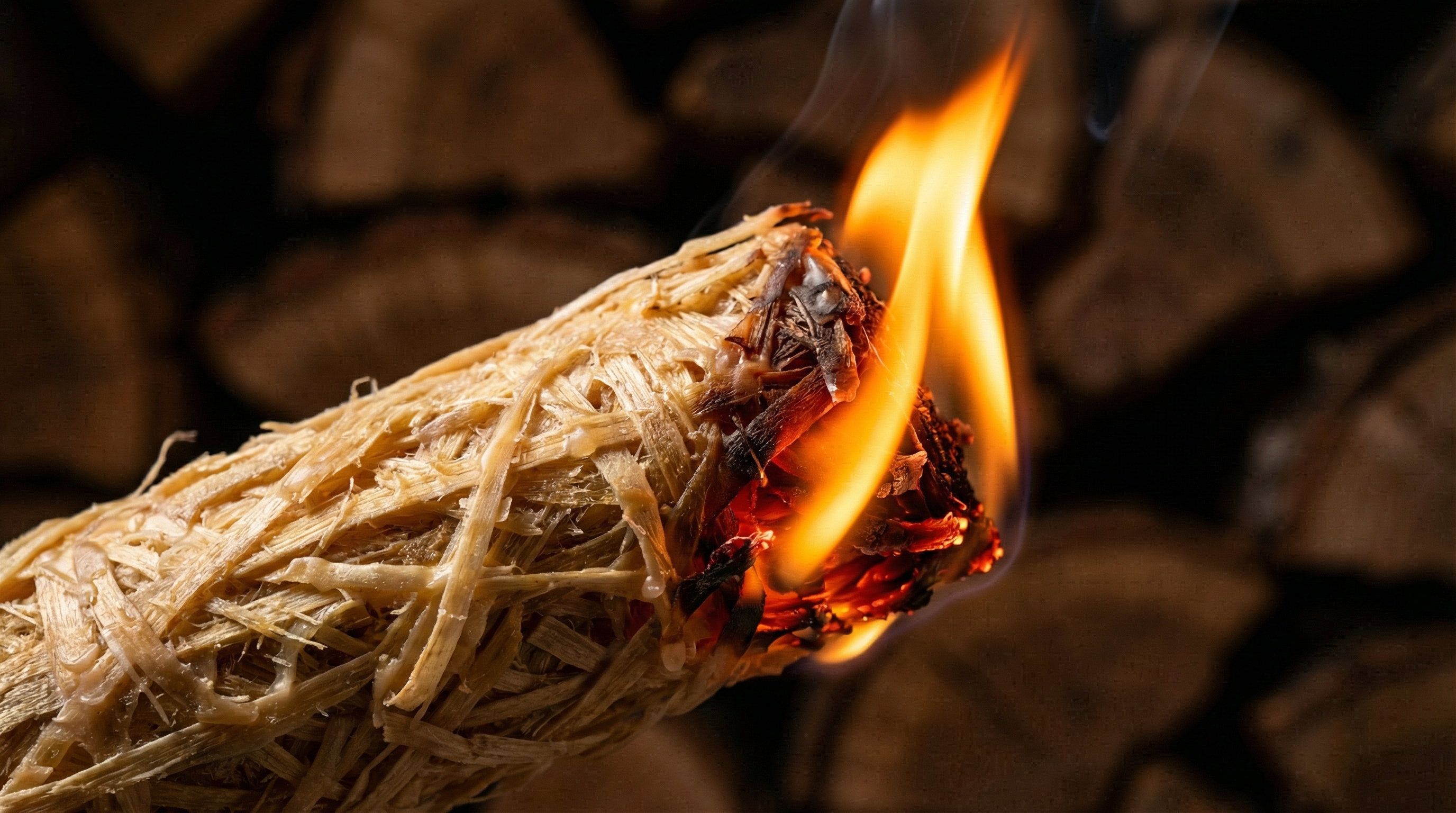
Natural wood wool fire starters outperform paper due to their composition and structure. Infused with wax, they are highly water-resistant and ignite easily even in damp conditions. Their porous, fibrous design allows for superior airflow, fueling a consistent, high-temperature flame for up to 10 minutes, which is long enough to ignite larger pieces of wood where paper would simply flash and burn out.
- Water-resistant wax coating ensures ignition in damp conditions.
- Porous structure allows optimal airflow for a strong, steady flame.
- Provides a long, 10-minute burn time to reliably ignite kindling and logs.
The Frustration of a Failing Fire
There are few simple pleasures as rewarding as a crackling fire. Whether it’s the centerpiece of a cozy living room, the heart of a backyard gathering, or the focal point of a campsite, a good fire provides warmth, light, and an unparalleled sense of comfort. Yet, there are few frustrations as acute as a fire that refuses to start. We’ve all been there: crumpled newspaper that flashes and dies, kindling that stubbornly smolders, or chemical firelighters that fill the air with an acrid smell. These common methods are often unreliable, especially when conditions aren’t perfect.
The problem lies in their inconsistency. Paper burns too quickly to ignite substantial logs, and it turns to useless ash if even slightly damp. Chemical cubes can be effective, but they introduce unwanted odors and substances, a major concern for anyone cooking over the flames or sensitive to harsh smells. This is where a meticulously engineered, natural solution proves its worth. It’s time to move beyond makeshift methods and embrace the reliability of a fire starter designed by nature to conquer the elements.
The Anatomy of a Superior Fire Starter
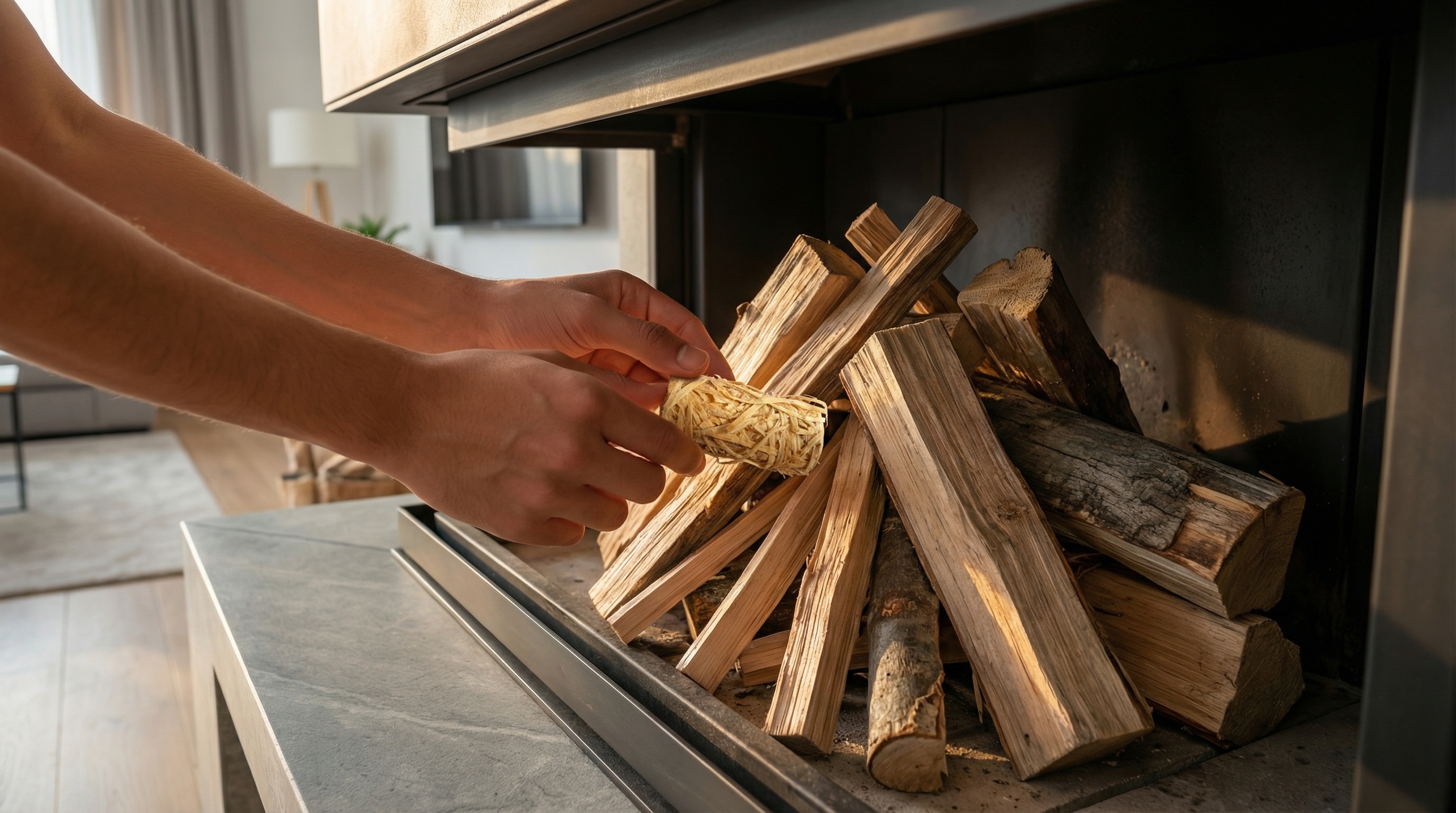
Before we compare the methods, it’s essential to understand what makes a fire starter truly effective. It isn’t just about creating a flame; it’s about sustaining a flame that is hot enough and long-lasting enough to transition its energy to your kindling and firewood. The ideal fire starter must master three key elements: moisture resistance, optimal airflow, and a consistent, high-temperature burn. Without these, you are simply lighting a temporary flare, not building a lasting fire.
The Downfall of Conventional Methods
Let's examine why the go-to options so often lead to disappointment. Their failures highlight the specific problems that a natural fire starter is designed to solve.
Newspaper and Cardboard: The Flash in the Pan
Paper is the most common improvised fire starter, but it's deeply flawed. It has a very low flash point and burns out in seconds, rarely generating enough sustained heat to ignite anything but the driest, smallest kindling. Furthermore, its dense, flat structure suffocates the very airflow a new fire needs. Add a touch of humidity or dampness, and it becomes a pulpy, useless mess. The coated inks on glossy paper can also release noxious fumes, tainting the air.
Chemical Cubes and Lighter Fluid: The Harsh Approach
While effective at creating a fast, hot flame, chemical-based accelerants come with significant drawbacks. They are often petroleum-based, releasing a pungent, chemical odor that clings to clothes, hair, and, most unfortunately, food. If you’re planning to grill burgers or toast marshmallows, these starters can impart a distinctly unpleasant taste. For the discerning homeowner, the chemical smell completely undermines the natural, rustic ambiance of a real wood fire.
The Unmatched Performance of Natural Wood Wool
This is where thoughtfully crafted Natural Wood Wool Fire Starters change the game. Made from just two simple ingredients—natural wood shavings and a clean-burning wax—they are engineered to overcome the failures of other methods with elegant efficiency. Their superiority stems from a perfect balance of material, structure, and composition.
Engineered for Moisture Resistance
One of the greatest challenges in fire starting, especially outdoors, is moisture. Wood wool starters excel here because the natural wax they are infused with is hydrophobic, meaning it repels water. This coating ensures that even if the surrounding air is damp or the kindling is slightly moist, the starter itself remains dry and ready to ignite. A single spark is all it takes to light the wax-coated wood fibers, which then burn hot enough to dry out and ignite the surrounding wood.
Designed for Superior Airflow and Burn Time
Unlike tightly wadded paper that blocks oxygen, the structure of a wood wool starter is its genius. It is a porous bundle of interwoven fibers, creating countless small air pockets. This allows oxygen to flow freely through the starter, feeding the flame and ensuring a more complete and efficient combustion. This structure, combined with the slow-burning wax, allows for an impressive burn time of up to 10 minutes—more than enough to catch even stubborn logs alight. For a deeper dive into the physics of combustion and airflow, the principles of combustion show just how critical oxygen is to a sustained fire.
A Clean, Natural, and Versatile Solution
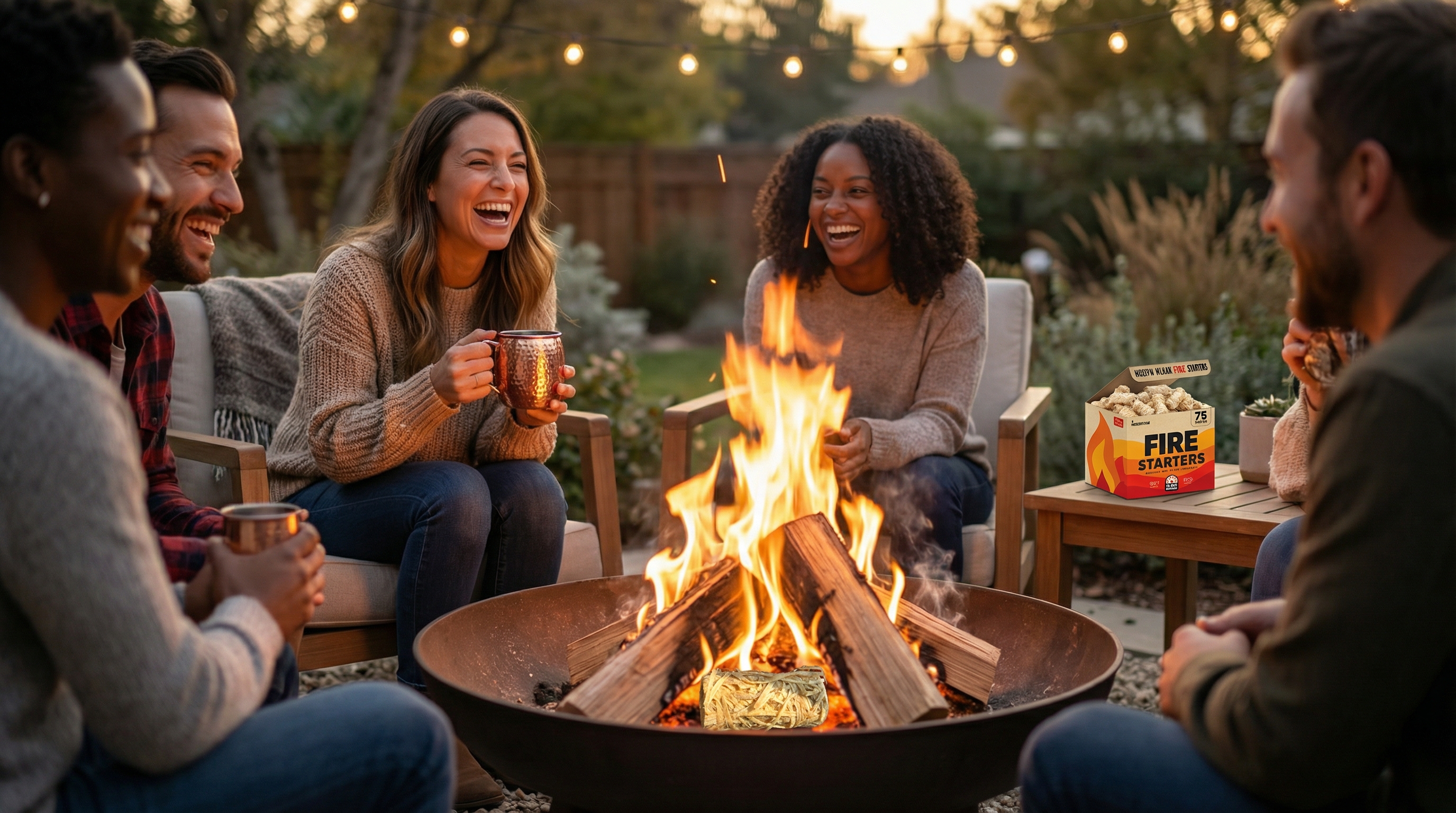
Because they are made from 100% natural materials, these starters are non-toxic and odorless. They are safe to use in fireplaces, wood stoves, charcoal grills, and pizza ovens without any fear of chemical residue or off-flavors. This makes them the perfect choice for the home chef and the backyard entertainer alike. Imagine gathering friends around the fire pit, the air filled only with the scent of burning wood, as you serve warm cider in a set of stunning Premium Pure Copper Mugs. This is the elevated experience that quality tools provide.
Elevate Your Fire: A Ritual of Reliability
Choosing a natural fire starter is about more than just convenience; it’s about trading frustration for reliability and chemical harshness for natural purity. It’s about ensuring that the cherished ritual of lighting a fire is always a successful and pleasant one. With a consistent, long-lasting, and clean-burning flame at your fingertips, you can focus on what truly matters: the warmth, the conversation, and the timeless moments shared around the glow. As experts at The Chimney Safety Institute of America will attest, starting a fire correctly with the right materials is the first step toward a safe and enjoyable experience.
Stop wrestling with damp newspaper and fanning smoldering kindling. Embrace the effortless performance of a fire starter that works with nature, not against it. Whether for your indoor hearth or your outdoor adventures, it’s the small detail that makes all the difference, transforming a potential chore into a simple, satisfying pleasure.